

Latest Past Events

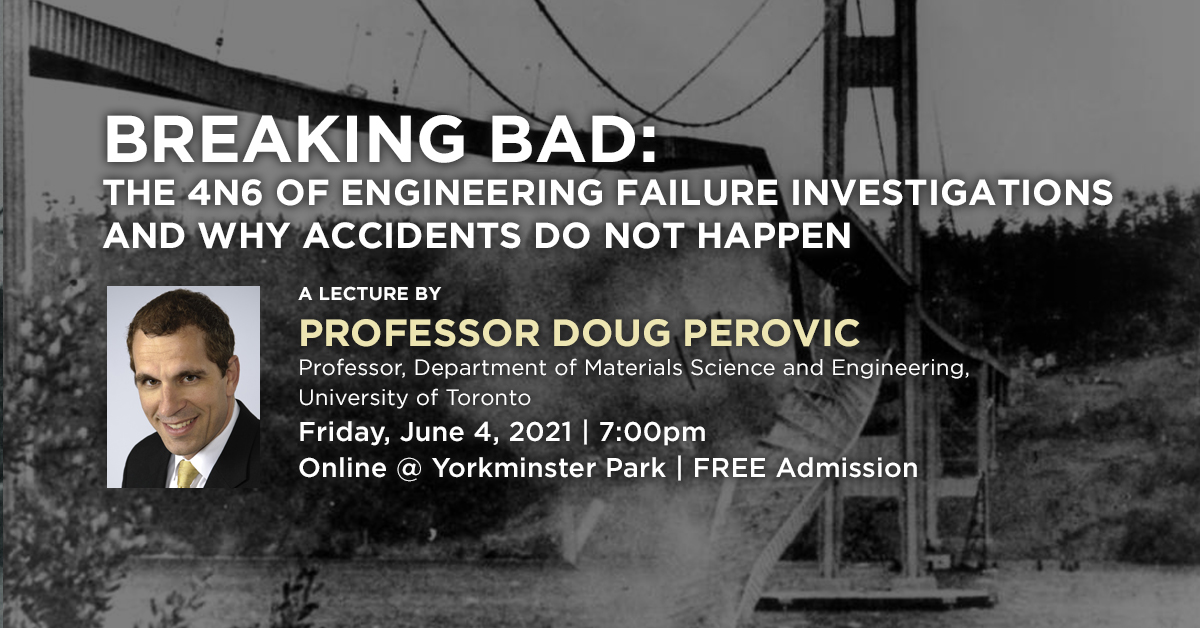
The 4N6 of Engineering Failure Investigations and Why Accidents Do NOT Happen

Cameron Hall 1585 Yonge Street, Toronto

So which belief is true: ‘accidents happen’ or ‘everything happens for a reason’? Behavioural sciences show that in the world of interpretation, human judgement is powerfully affected by how problems are initially framed. As humans, we are prone to subconsciously anchor on preconceived notions and then tend to find what we are looking for during an investigation.

The function of an engineered artifact is to deliver the desired fit, form and function to society. It is the purpose of engineering to postpone failure of an artifact for a safe design lifetime. The lecture will highlight the practice of forensic engineering investigation and illustrate methods to assess potential sources, causes and solutions for prevention of failure of engineered products, and of the investigation itself.
Matters of the Heart: Staying Alive

Cameron Hall 1585 Yonge Street, Toronto

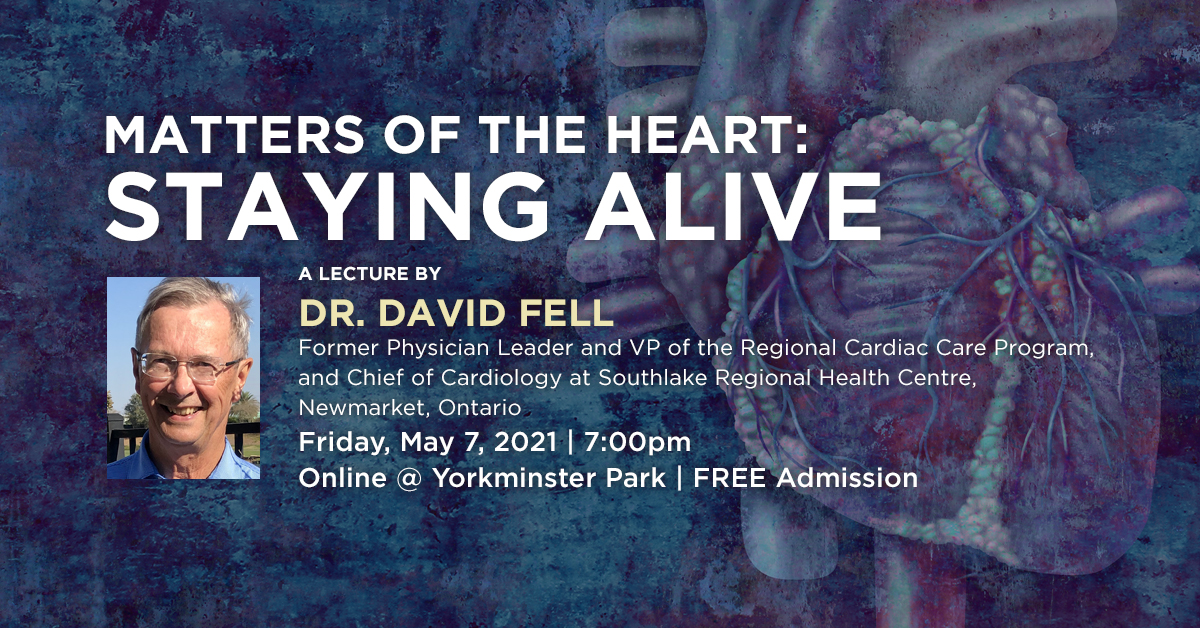
Your heart is a marvelously complex organ responsible for pumping blood to the body, delivering oxygen and nutrients to all tissues, and removing carbon dioxide and other wastes. Cardiovascular disease, which can lead to heart attack, heart failure, sudden death, stroke, and acute limb ischemia, affects millions each year and involves a huge cost to society. Staying alive means protecting yourself from the risk of having either a first time or subsequent event. This session will be a simplified state-of-the-art review of the cardiovascular system in health and disease, and the management of risk factors. Diagnosis and treatment of cardiovascular disease will be discussed, as well as future developments in personalized medicine through genetics and biomarkers, and advances in imaging, devices, and artificial intelligence.

Caring During COVID

Cameron Hall 1585 Yonge Street, Toronto

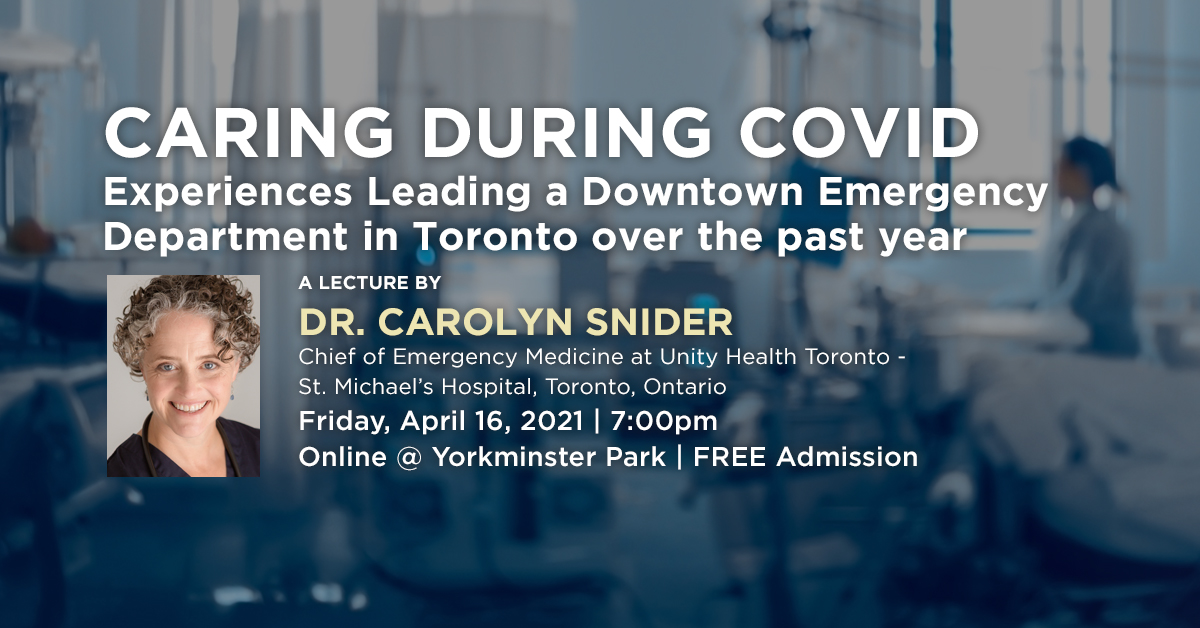
During COVID, the number of Toronto citizens who are affected by homelessness grew greatly. Currently, twenty percent of visits to the St. Michael’s Hospital Emergency Department are by those experiencing homelessness and many more are part of a growing number of vulnerably housed individuals. People who live in shelters were more likely to be affected by COVID – both the virus and by the decreased support services in the community. In addition to lack of permanent housing, many have medically and socially complex concerns, such as food insecurity, complex mental health conditions, addictions, and poverty. Dr. Snider will discuss the various ways that the department has had to adapt during COVID for all patients and how they are working with their community partners to change and improve the care that they provide.